Understanding ADAS
Advanced Drivers Assistance Systems
Calibration Methods Explained
Advanced Drivers Assistance Systems (ADAS) are the technological cameras and radars that keep your vehicle safe on the road. These complex systems work together like the eyes and nerves of your vehicle. They sense environmental changes and physical surroundings, for instance, to maintain lane position and following distance. If you are curious about your vehicles safety features or would like to discuss ADAS calibration call 763-486-9536.
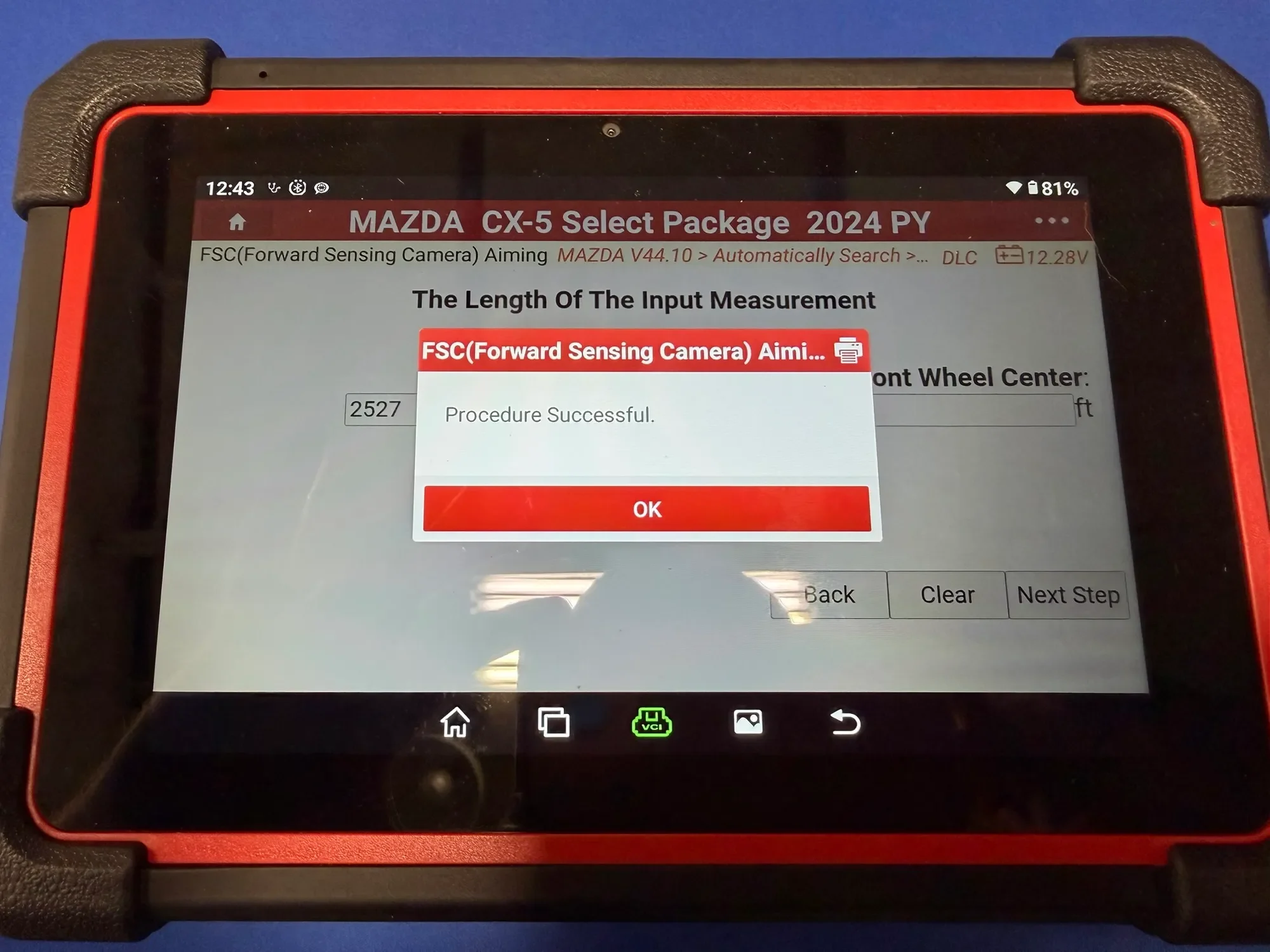
Dynamic Calibration
Dynamic calibration requires the vehicle to be driven in real world conditions for the cameras and radar to calibrate. This allows the systems sensors to adjust in real-time to the surrounding environment. A diagnostic scan tool is connected to the vehicle’s computer to start and monitor the calibration process.
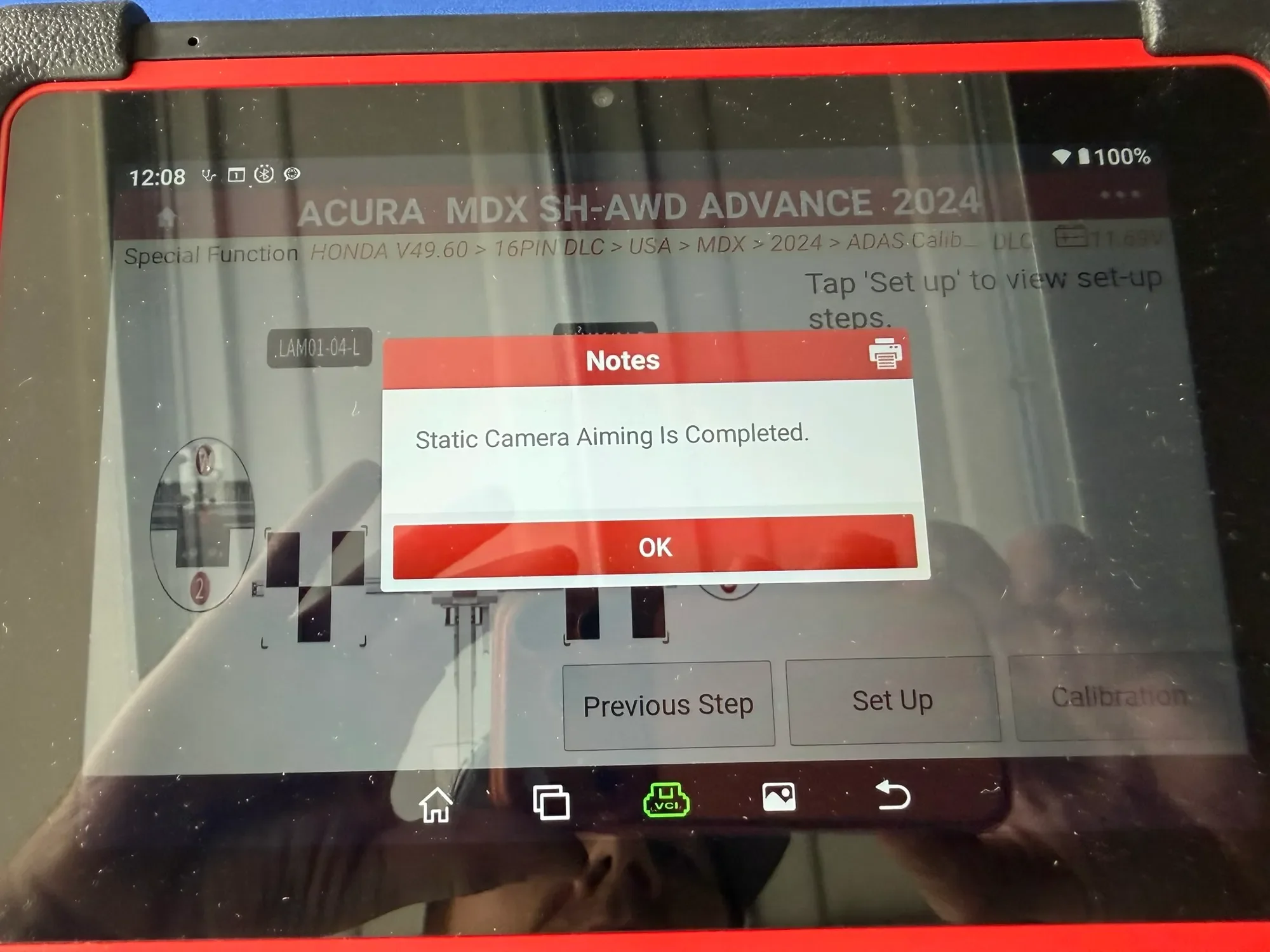
Static Calibration
Static calibration uses targets and specific measurements off the vehicle. This is done to calibrate the systems in a controlled environment. The vehicle will NOT be driven for this type of calibration. It generally has to be taken into a shop for service. Through a partnership with AuggieTM, Parpart’s Autoglass Services LLC offers fully mobile static calibration services.
Dual Calibration
Dual calibration uses both a static and a dynamic calibration in a sequence to calibrate these systems. Generally a static calibration is first, followed by a dynamic real-world calibration. A diagnostic scan tool is used to verify the systems have met the manufacturers specifications.
The Calibration Process
Step 1: Connect your vehicle to the scan tool and conduct a health scan of the vehicle’s systems. This is commonly called a “pre-scan”.
Step 2: Discuss any codes that may appear with the customer. Sometimes addressing other systems is necessary before replacing the windshield. This ensures the process will be successful.
Step 3: Replace the windshield with a new OEE or OEM part using DOW urethane systems.
Step 4: Initiate the calibration with the use of a scan tool. If it is a dynamic calibration this is where the vehicle will be driven. For static, the AuggieTM system is placed on the front windshield following specific location guidelines.
Step 5: Perform a final health report of the vehicles systems to ensure successful calibration. This is commonly called a “post-scan”.